
General & Preventive Dentistry
Protecting your teeth from your own jaw.
Grinding and clenching — bruxism — mostly happens at night, which is why most people who do it have no idea. It is usually a partner who mentions the noise, or a dentist who notices the wear.
The forces involved are considerable and sustained. Over years, grinding flattens the biting surfaces, chips enamel at the edges of front teeth, cracks fillings, fractures cusps off molars, and can loosen teeth where gum support is already reduced. It is also a common cause of morning jaw ache and headache.
Signs you may be grinding
- Teeth that look flattened, shortened or chipped at the edges
- Jaw soreness or tightness on waking
- Headache around the temples in the morning
- Increased sensitivity to cold
- Fillings or crowns that keep failing
- A partner who hears grinding at night
- Ridging along the edge of the tongue or a line along the inside of the cheek
Assessment first
Dr Meg will look at the pattern of wear, check your jaw joints and muscles, examine existing restorations, and ask about your sleep, stress and any medications. Grinding has several contributing factors — stress, sleep disturbance, some medications, alcohol, caffeine — and the pattern of wear often indicates how long it has been going on.
It is worth knowing that a night guard does not stop you grinding. It protects your teeth while you do, which is a different and more achievable goal.
The guard itself
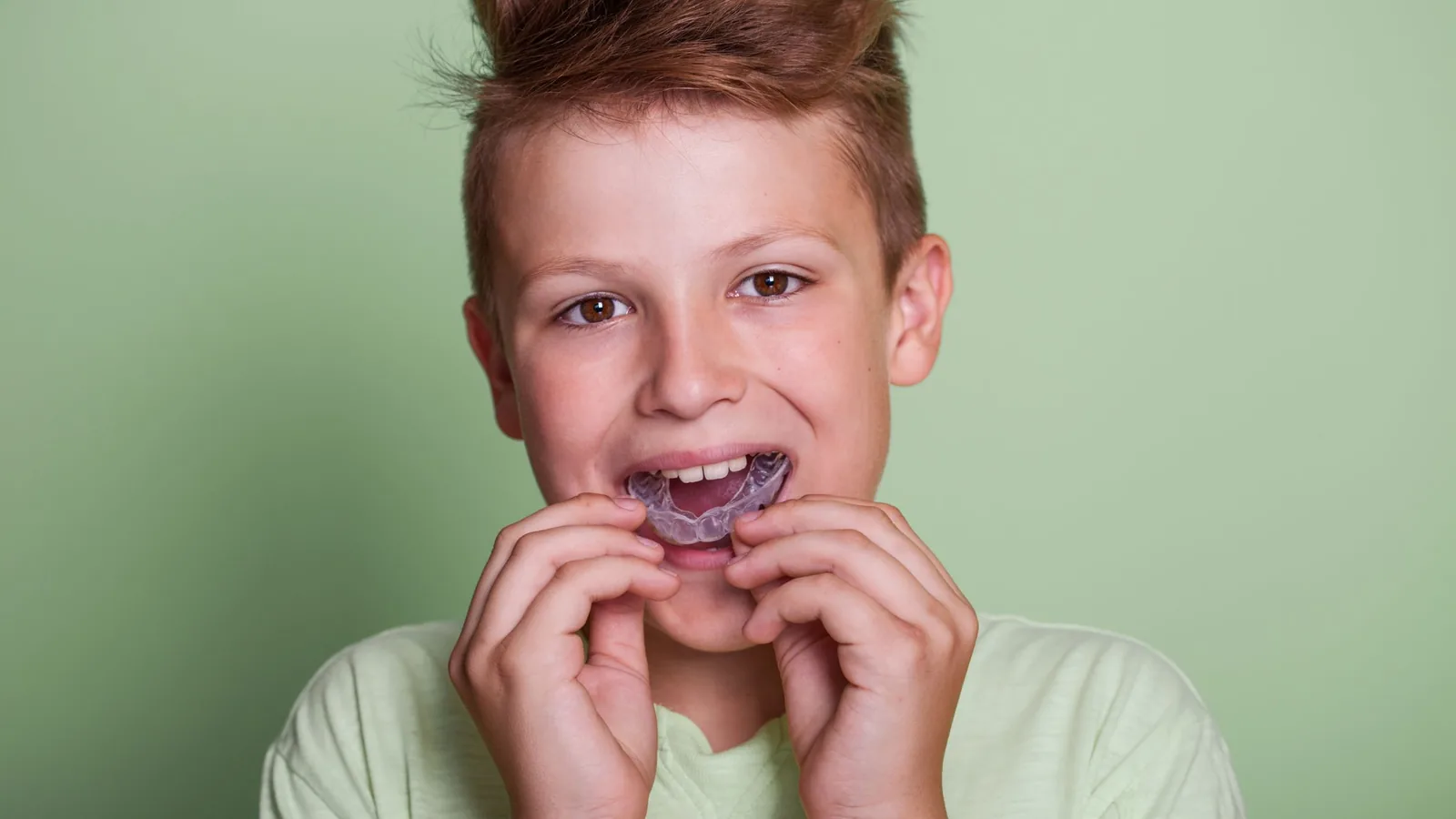
A night guard, or occlusal splint, is a custom appliance worn over the upper or lower teeth while you sleep. It is made from a digital scan of your teeth so that it fits closely and the bite meets evenly across it. Even contact matters: a splint that loads a few teeth unevenly can cause more trouble than it prevents.
Once made, it is fitted and adjusted in your mouth, and reviewed after a few weeks to check how it is settling and how it is wearing.
Chemist-bought guards are generally soft, poorly fitting, and can encourage more clenching rather than less. They are not equivalent.
Jaw joint discomfort
Where grinding is accompanied by jaw joint pain, clicking or restricted opening, Dr Meg will assess the joint as part of the appointment. Management may include a splint, advice on habits and jaw exercises, and in some cases diode laser treatment. The evidence for laser in jaw joint discomfort is still developing, and she will be frank about what it can and cannot be expected to do. Some cases warrant referral.
Frequently asked questions
Often you do not, which is why it is usually picked up at a check-up from the wear pattern, or reported by a partner. Morning jaw ache and temple headaches are common indicators.
No. It protects your teeth from the forces involved. Reducing the grinding itself means addressing the underlying contributors, which we will discuss.
You can, but a generic soft guard fits poorly and can increase clenching. A custom splint is made to your teeth with an even bite across it.
It depends on how heavily you grind. Some people wear through one in a couple of years, others get considerably longer. Bring it to your check-ups so we can monitor it.
There is an adjustment period of a week or two. Most people stop noticing it. If it is genuinely uncomfortable, bring it back and we will adjust it rather than leaving you to persevere.
Worn teeth can often be rebuilt, though extensive wear may require crowns or a staged rehabilitation. Protecting what remains comes first, because there is no point restoring teeth that are still being ground down.